Indonesia's Date Calendar: Harvest Seasons, New-Crop Arrivals, and the Best Months to Buy
Date prices and freshness in Indonesia move in a readable annual cycle: Middle East harvests from August to December, new-crop arrivals late in the year, a 55% import spike before Ramadan (BPS), then the post-Lebaran discount window. A month-by-month calendar for smart buyers.
Date Prices Are Not a Mystery — They Run on a Schedule
Why can the same box of dates cost 30–50 percent more two weeks before Ramadan than it did in November? Why does the freshest “new crop” stock appear exactly when demand is quiet? The answer is simple: Indonesia's date market follows two calendars at once — the harvest calendar in origin countries and the domestic demand calendar that peaks at Ramadan. This data piece merges them into one practical calendar, anchored on figures from BPS, ANTARA, and Kompas.
Calendar One: Harvest Seasons at Origin
Virtually all retail dates in Indonesia are imported from the Middle East and North Africa — Egypt, Saudi Arabia, the UAE, Tunisia, Algeria, and Iran dominate the BPS supplier list. Across that northern-hemisphere belt, dates follow a uniform season:
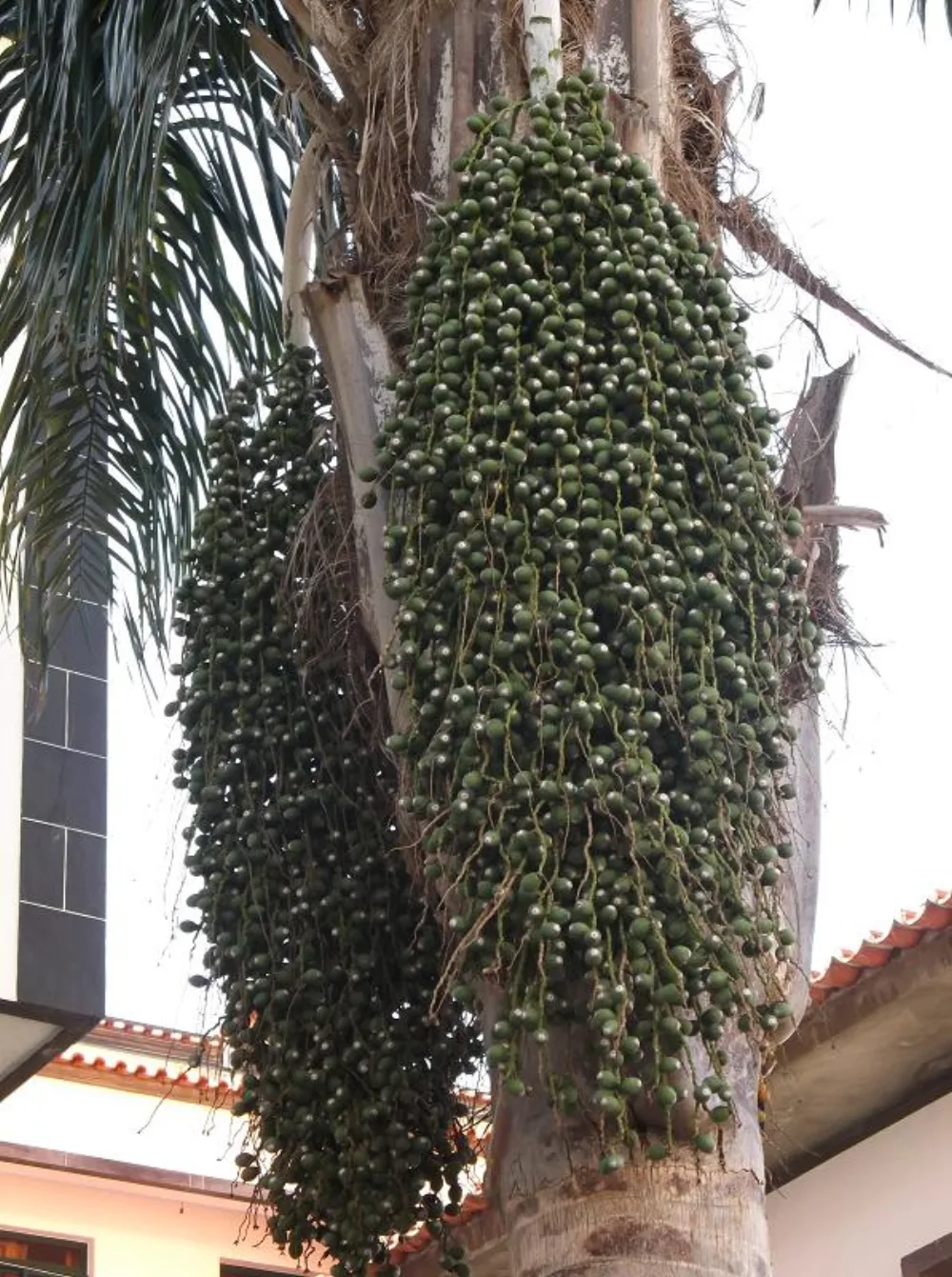
- May–July: fruit is still immature (kimri to khalal); orchards busy bagging the bunches.
- August–October: the main harvest begins — Gulf media report peak harvesting around August–September. The soft, half-ripe rutab stage appears in this window.
- October–December: fully ripened tamr harvest and drying; Tunisia harvests until the season's end, which is why its Deglet Noor stays famously fresh longer.
In short: the world's newest dates are produced in the second half of the year. After harvest, fruit is sorted, packed, and shipped — sailing to Indonesia typically takes three to six weeks.
Calendar Two: Domestic Demand
Indonesian demand follows not the harvest but the Hijri calendar. BPS data reported by ANTARA and Bloomberg Technoz shows February 2025 date imports jumping about 55 percent month-on-month to 16.43 thousand tonnes — a pattern that repeats every year ahead of Ramadan. At retail, Kompas.com records date sales rising roughly 50 percent in the first days of Ramadan. One detail people forget: Ramadan moves about 10–11 days earlier each Gregorian year, so the demand peak shifts with it — the calendar below uses the recent-years pattern of Ramadan falling early in the year.
The Month-by-Month Buyer's Calendar
| Period | Stock condition | Relative price | Buyer strategy |
|---|---|---|---|
| Jan–early Feb | New-crop stock plentiful; importers building Ramadan inventory | Starting to climb | Ideal for big purchases before the spike |
| 2–4 weeks before Ramadan | Demand peaks; favorite varieties start selling out | Highest of the year | Buy only what you need; avoid bulk buying at the peak |
| During Ramadan | Fastest turnover; fullest shelves early in the month | High, easing toward the end | Shop early in the month for specific varieties |
| Post-Lebaran (1–2 months) | Traders clearing leftover seasonal stock | Deepest discounts | Bargain-hunt; scrutinize packing dates and condition |
| Mid-year | Stock from last year's harvest; selection narrows | Stable low–medium | Cover routine consumption; check freshness extra carefully |
| Oct–Dec | New crop arriving from the fresh harvest | Normal, not yet Ramadan-inflated | The best window for maximum freshness |
Three Buying Windows Worth Marking
1. The New-Crop Window (October–January)
The quiet secret of our most discerning customers: newly harvested dates reach Indonesian importers' warehouses from the fourth quarter, well before the Ramadan rush. You get peak freshness at pre-spike prices. For short-lived wet varieties, this window is nearly unbeatable.
2. The Post-Lebaran Bargain Window
Once Lebaran passes, demand drops sharply and traders discount remaining stock — a pattern shopping guides such as Penting.id also observe. It is the right moment to afford premium varieties that felt expensive before. One condition: inspect quality extra carefully, since some stock will be older. The full checklist is in our guide on choosing quality dates.
3. The Hampers Window (4–6 weeks before Lebaran)
Corporate hamper and parcel orders pile up in Ramadan's final weeks. If you are preparing gifts — say, with Super Jumbo Anbara Madinah dates in a gift box — lock in stock early; large premium dates are always the first to run out in this season.
A Note for Buyers Outside Java
The same cycle applies more strictly when ordering from outside Java: add shipping time, and favor semi-dry varieties like Sayer or Deglet Noor that travel well — our carton-packed Iranian Sayer dates are built for exactly this role. Per-region delivery estimates and our hot-climate packing standard are detailed in our nationwide date shipping guide.
How to Check Stock Age When Buying
A calendar is only useful if you can place the stock in front of you on it. These three simple questions may — and should — be asked of any seller:
- “Which crop year is this?” Serious importers and distributors always know their stock's harvest year. A vague answer is data too.
- “When did the container arrive?” Dates keep well, but age still shapes texture — new crop feels moister and smells livelier than stock that has crossed a full season.
- “Where is the packing date?” On repacked dates, the packing date is not the harvest date; read it together with the first question to estimate true age.
On marketplaces, watch for the keywords “new crop” or “panen baru”, which sellers start using heavily between October and January — claims easily verified with the three questions above. A seller who can answer none of them is not automatically dishonest, but you are buying without data.
Methodology and Sources
This calendar is built from BPS monthly import patterns (including the 55 percent February 2025 surge reported by ANTARA and Bloomberg Technoz), Kompas.com's Ramadan retail sales reporting, Gulf-region harvest coverage, and our own container-receiving experience at the Cakung warehouse. The full annual numbers — 54.45 thousand tonnes worth US$67.8 million in 2025, with all ten origin countries — are dissected separately in our Indonesian Date Import Data report, refreshed whenever BPS releases new figures.
FAQ
When are dates cheapest in Indonesia?
Usually one to two months after Lebaran, when demand falls and traders discount leftover seasonal stock. October–January is also attractive: new-crop stock has arrived but prices have not yet been pushed up by Ramadan demand.
When does new-crop stock reach Indonesia?
The main Middle East and North Africa harvest runs roughly August–December. After sorting, packing, and a three-to-six-week voyage, fresh-harvest stock generally starts filling Indonesian importers' warehouses from the fourth quarter into the new year.
Are dates sold after Lebaran still good?
Mostly yes — dates keep well — but the stock is older. Check packing dates, aroma, and signs of sugaring or mold before buying in volume; a deep discount still has to pass a quality inspection.
Why do date prices rise before Ramadan?
Because demand spikes extremely fast: BPS recorded February 2025 imports up about 55 percent month-on-month to 16.43 thousand tonnes, and Kompas noted retail sales rising about 50 percent in early Ramadan. That surge moves prices across the whole chain.