Dates in Indonesia: Tradition, Economy, and Health — The Complete National Guide
A reference essay on dates in Indonesia: their roots in Indonesian Islamic tradition, the economic pulse per BPS and FAO data, a health review per USDA, and a map of the varieties Indonesian buyers seek most.
A Desert Fruit That Became Part of Indonesia
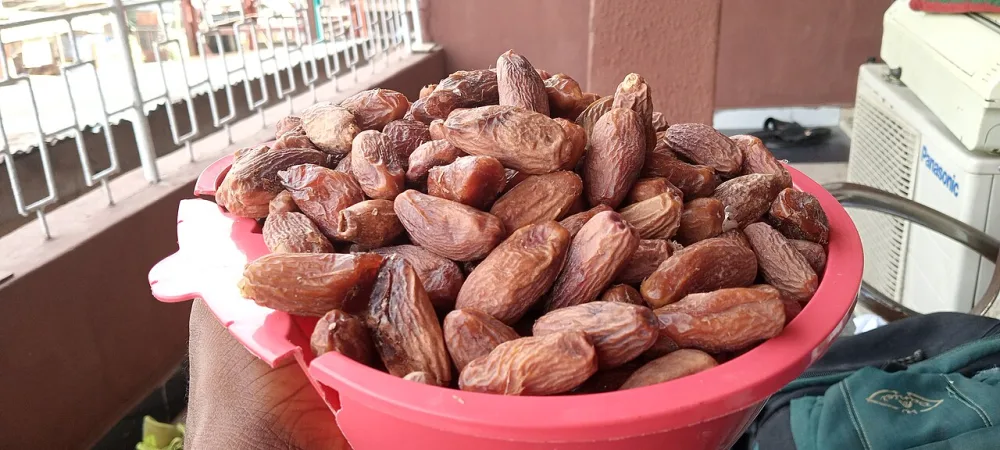
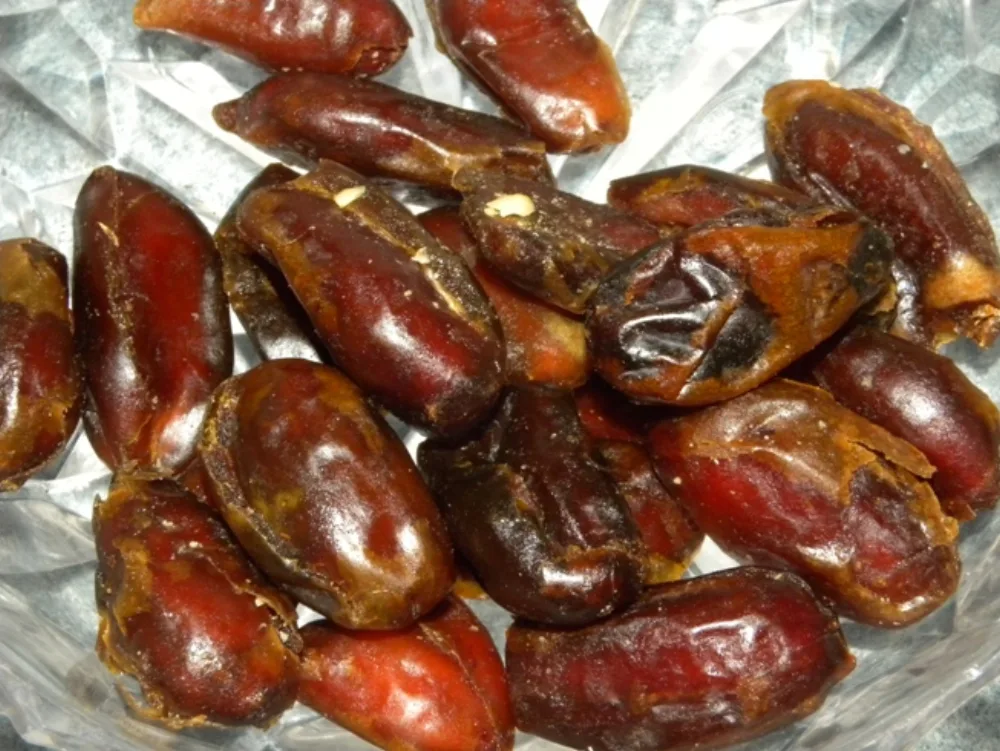
Date palms do not thrive in Indonesian soil, yet no other imported fruit is so woven into the nation's life. Every Ramadan, dates appear on iftar tables from Aceh to Papua; every hajj season, they come home as the most awaited souvenir. This article is the national guide to dates in Indonesia — written with BPS, FAO, and USDA references — mapping its three faces at once: tradition, economy, and health.
Tradition: From the Sunnah of Breaking Fast to Hajj Souvenirs
The place of dates in Indonesian Muslim daily life is rooted in religious guidance. In a hadith narrated by Abu Dawud and Tirmidhi, Anas bin Malik (may Allah be pleased with him) relates that the Prophet (peace be upon him) broke his fast with a few ruthab (fresh dates) before prayer; if unavailable, with tamr (dried dates); and failing that, with sips of water. Another hadith narrated by Bukhari and Muslim from Sa'ad bin Abi Waqqash mentions the virtue of seven Ajwa dates in the morning. These teachings make dates more than a snack — they are part of the etiquette of worship.
Beyond Ramadan, dates live on in the hajj and umrah souvenir tradition. The Tanah Abang market area, Blocks B–C in Central Jakarta, with more than twenty hajj-souvenir stalls, has for decades been the country's most iconic date-trading hub — where pilgrims and regional traders hunt for Ajwa, Sukari, and Safawi. Approaching Eid, dates level up into hampers and parcels, from home-packed boxes to corporate gift sets.
Economy: Indonesia's Date Market in Numbers
The market's scale is often underestimated. Through 2025, BPS recorded Indonesia importing 54.45 thousand tons of dates worth US$67.8 million. That is not even the peak: in 2022, imports touched 61.35 million kg worth US$86.26 million, nearly triple the roughly 21 million kg of 2015. FAO ranks Indonesia the seventh-largest date importer in the world.
The rhythm is intensely seasonal. Ahead of Ramadan 2025, February imports jumped about 55 percent month-on-month to 16.43 thousand tons, and early-Ramadan retail sales rose roughly 50 percent versus ordinary days. By origin, Egypt leads with 24,232 tons, followed by Saudi Arabia with 11,511 tons and the UAE with 7,654 tons; Iran, Tunisia, and Palestine round out the list. One note that matters to consumers: BPS and Trade Ministry data record no date imports from Israel — the top ten origins are all Middle Eastern and North African countries, plus the United States and Pakistan. We maintain the full analysis in our Indonesian date-import data dashboard.
Health: What Does the Nutrition Data Say?
Per 100 grams, USDA data records dates providing about 277–282 kcal, ±75g of carbohydrates dominated by natural sugars, 7–8g of dietary fiber, and ±696mg of potassium. Energy-dense, but far from empty calories. The frequent surprise: despite their sweetness, the measured glycemic index of dates sits around 42–55 — low to moderate — thanks in part to their high fiber.
We deliberately choose conservative language: dates are nutritious food, not medicine. For people with diabetes, pregnant women, or anyone with a specific condition, portions still matter and consumption decisions are best discussed with a health professional. A common, sensible habit: three to seven dates to open iftar, not a whole jar in one sitting.
The Variety Map: What Do Indonesian Buyers Seek Most?
The Indonesian date market hosts a dozen-plus varieties, but these ten names are searched most: Sukari, the caramel-flavored bestseller; Ajwa, the Prophet's date; Safawi and Mabroom from Madinah; Anbara, the rare giant; Palestinian Medjool, the king of dates; Piarom, the chocolate date; Sayer and Zahedi, Iran's by-the-kilo workhorses; and Rotab Bam, the seasonal fresh date. Each carries its own flavor profile, price range, and role — from daily devotion to VIP hampers — and we dissect every one in the Lumbung Kurma Indonesia variety encyclopedia.
The Indonesian Date Calendar: When Things Happen
Indonesia's date market moves with the hijri calendar, and reading it keeps you a step ahead. Rajab is when traders pile up stock and prices begin to creep. Sha'ban is the peak for careful household buying — variety selection is still complete and prices have not yet topped out. Ramadan absorbs the largest volumes, especially the first ten days, when retail sales jump roughly 50 percent. Syawal belongs to hampers and Eid visits. Then the hajj season revives souvenir demand, from Ajwa to Mabroom. Buyers who read this rhythm shop when selection is widest — not when everyone queues in the same week.
Buying Dates in Indonesia: Four Things to Check
- Variety, not just brand — a brand is packaging; the variety determines taste and fair price.
- Grade and fruit size — good sellers state them clearly.
- Fair price ranges — for instance Ajwa at IDR 200,000–350,000/kg and Sukari around IDR 90,000/kg per Tempo's coverage; a price that is too cheap is a warning sign.
- Seller accountability — a clear import channel, stock that can be photographed, and a human who answers your questions.
Those four points are our working standard. From our warehouse in Cakung, East Jakarta, Lumbung Kurma Indonesia delivers same-day to Jakarta, Bekasi, Depok, Tangerang, and Bogor, and ships dates across all of Indonesia under a hot-climate packing standard. Whatever variety you seek, start with the data — then order with peace of mind through our WhatsApp.
FAQ
Are dates grown in Indonesia?
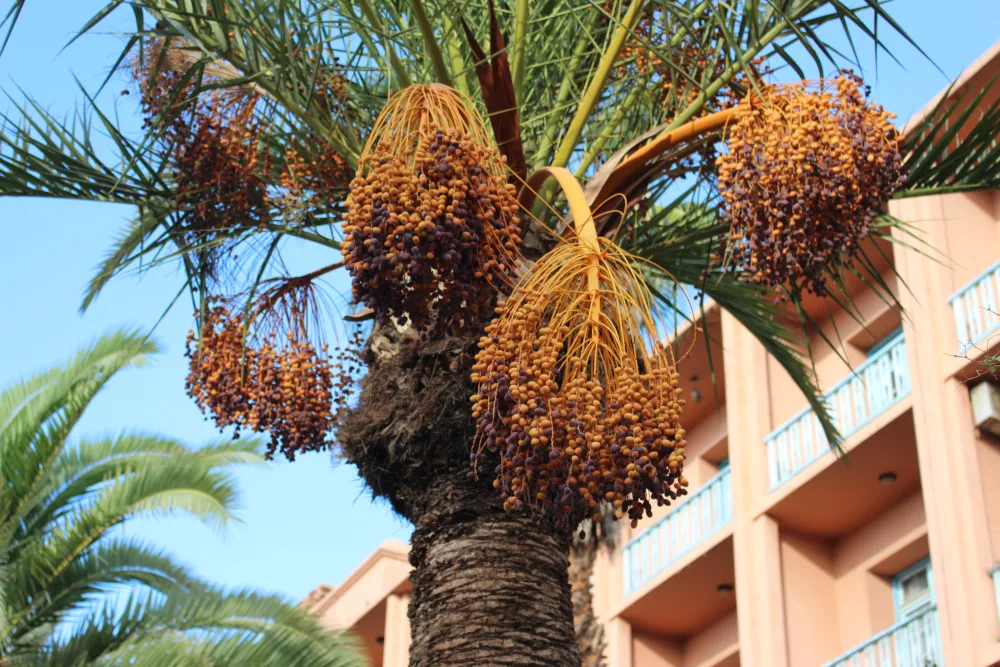
Date palms can grow and in certain cases fruit in Indonesia — the first recorded harvest was in 2004 at a pesantren in Surabaya — but volumes are tiny. Practically all dates sold at Indonesian retail are imported from the Middle East and North Africa.
How large are Indonesia's date imports?
Through 2025, BPS recorded Indonesian date imports of 54.45 thousand tons worth US$67.8 million. FAO ranks Indonesia the seventh-largest date importer in the world.
Which date variety is most popular in Indonesia?
By volume, Sukari is the bestseller thanks to its caramel taste and affordable price. By prestige, Madinah Ajwa is the most sought-after as the Prophet's date, while Palestinian Medjool stars in the premium segment.
Are Israeli dates circulating in Indonesia?
BPS and Trade Ministry data cited by CNBC Indonesia (February 2026) record no date imports from Israel. The official top-ten origins are Egypt, Saudi Arabia, UAE, Tunisia, Algeria, Iran, Libya, Palestine, the United States, and Pakistan.
When is the best time to buy dates in Indonesia?
Before the month of Sha'ban. Demand surges ahead of Ramadan — February 2025 imports rose 55 percent — pushing prices up and thinning premium-variety stock. Buying early gets you the best prices and selection.