Date-Producing Countries: From Egypt to Palestine, and the Varieties That Reach Indonesia
The origin encyclopedia: profiles of the main date-producing countries — Egypt, Saudi Arabia, UAE, Tunisia, Iran, Palestine — mapped to BPS 2025 import volumes and the actual varieties you can buy in Indonesia.
The World Date Map and Its Route to Indonesia
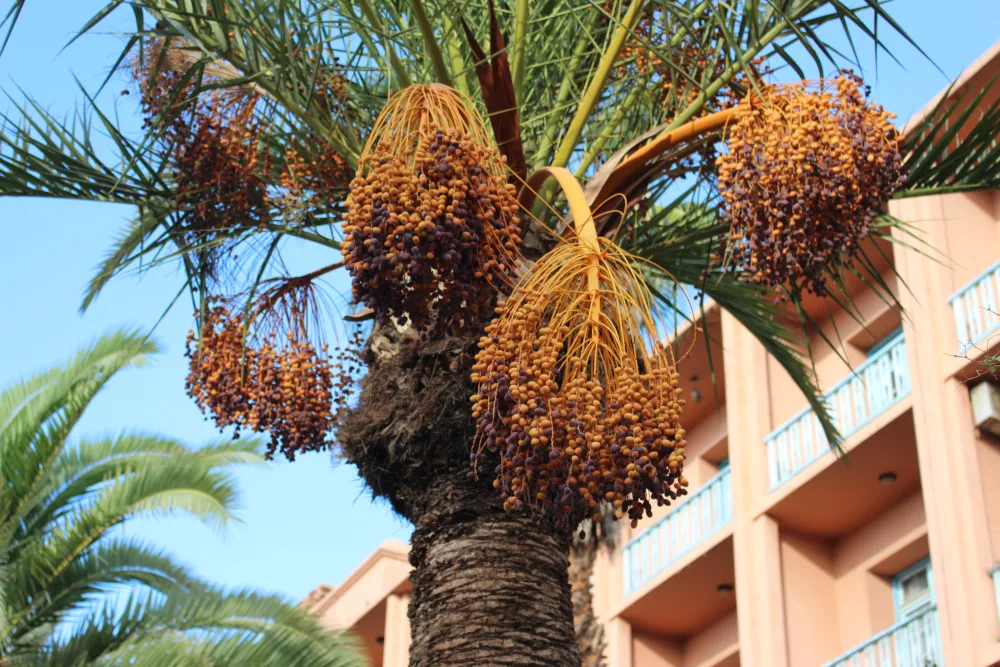
The date palm (Phoenix dactylifera) thrives in the arid belt stretching from North Africa to the Persian Gulf — fierce heat, dry air, and sufficient groundwater. From this belt comes nearly every date in the Indonesian market. Through 2025, BPS recorded Indonesia bringing in 54.45 thousand tons of dates, and the top ten supplying date-producing countries form a fascinating map: each country carries different varieties, characters, and price classes. Let us walk through them one by one.
Egypt — The Volume Giant (24,232 tons to Indonesia, 2025)
Egypt is the world's largest date producer, and for Indonesia it is supplier number one, worth US$22.4 million in 2025. Orchards across the Nile valley and delta produce extraordinary volumes at competitive prices — mostly filling Indonesia's mass retail segment and industrial raw material needs. If you have ever bought economical loose dates at a market, odds are they were Egyptian.
Saudi Arabia — Home of the Premium Varieties (11,511 tons)
No country's varieties are better known to Indonesian buyers. From the Al Qassim oasis comes Sukari, the caramel sweetheart that is Indonesia's best-selling date. From the orchards of Madinah come the big names: Ajwa the Prophet's date, Safawi, Mabroom, and Anbara the rare giant. Saudi price classes run higher, but this is where the varieties with the strongest tradition and prestige live — the pillars of the Lumbung Kurma Indonesia catalog.
United Arab Emirates — The Modern Trade Hub (7,654 tons)
The UAE combines productive orchards with its role as the Gulf's most modern date processing and re-export hub. Many of the neatly packed, consistent-quality dates circulating in Indonesia depart from packing facilities in this country.
Tunisia and Algeria — Deglet Noor from the Maghreb (3,292 and 2,771 tons)
These two Maghreb countries are famed for Deglet Noor — a light, golden semi-dry date nicknamed the 'date of light'. Chewy in texture with an elegant sweetness, it is popular as a table date in Europe and increasingly easy to find in Indonesia.
Iran — A Paradise of Variety Diversity (2,535 tons)
Iran's volume to Indonesia is modest, but its diversity is special — this is the origin of the distinctive varieties we are proud of: Piarom the chocolate date from Hajiabad, Hormozgan; Sayer the by-the-kilo workhorse from Khuzestan; economical Zahedi for processing; and Rotab Bam, the fresh date of the legendary Bam region. For tasters wanting to step beyond the popular varieties, Iran is the doorway.
Palestine — Small in Volume, Great in Meaning (418 tons)
From the Jordan Valley and the Jericho area, Palestinian farmers produce high-grade, thick-fleshed Medjool. Its volume to Indonesia was just 418 tons in 2025 — under one percent of national supply — which is why Palestinian Medjool is always contested. Buying it through official trade channels is tangible support for the Palestinian farming economy.
Completing the List: Libya, the United States, Pakistan
Libya (1,567 tons) serves the economical segment; the United States (143 tons) ships premium California Medjool; Pakistan (128 tons) is known for Aseel dates. The three round out the BPS 2025 top ten.
Date Terroir: Why Origin Shapes Flavor
Like coffee and tea, dates have terroir. The same variety can perform differently depending on soil, temperature, humidity, and drying method. The extreme dry heat of inland Saudi Arabia yields dense, sugar-concentrated tamr that keeps well; the coastal climate of southern Iran produces deep-charactered semi-dry dates like Piarom; the fertile valleys of Palestine and the Nile delta give large, moist, juicy fruit. That is why experienced buyers never stop at the variety name — they ask which orchard the fruit came from, because origin is half the flavor.
How to Read Origin Labels on Packaging
Three habits we recommend when inspecting date packaging wherever you shop. First, look for an explicit country of origin, not just 'Middle East' — vague phrases often cover untraceable repacking. Second, match the variety to its logical origin using the map above: Sukari should be Saudi, Piarom should be Iranian, Deglet Noor should be Tunisian or Algerian; a mismatch is a big question mark. Third, for specific claims like 'Palestinian Medjool', ask about the import chain — an honest seller answers without offense, because the documents genuinely exist. At our granary, all three have been label standards from day one.
A Note on Sourcing Ethics
One question always surfaces: are there Israeli dates in the Indonesian market? Official data answers firmly — BPS and the Trade Ministry record no date imports from Israel (CNBC Indonesia analysis, February 2026). All official suppliers are the countries above. At Lumbung Kurma Indonesia we buy only through recorded import channels and openly answer origin questions, because consumer confidence is part of quality.
From the Map to Your Granary
Understanding date origins lets you read labels smartly: Sukari should come from Al Qassim, Ajwa and Anbara from Madinah, Piarom from southern Iran, premium Medjool from Palestine or California. Explore our catalog to see varieties from each country — all shipped from our Cakung, East Jakarta warehouse across Indonesia, with same-day service for Jakarta, Bekasi, Depok, Tangerang, and Bogor. As a companion, our import-data dashboard serves the latest figures every year, so this origin map never goes stale.
FAQ
Which country is the world's largest date producer?
Egypt is the world's largest date producer, and simultaneously Indonesia's largest supplier with 24,232 tons worth US$22.4 million in 2025 per BPS — nearly 45 percent of national supply.
Which countries do the dates in the Indonesian market come from?
The BPS 2025 top ten: Egypt, Saudi Arabia, UAE, Tunisia, Algeria, Iran, Libya, Palestine, the United States, and Pakistan. Premium varieties mostly come from Saudi Arabia, distinctive connoisseur varieties from Iran, and premium Medjool from Palestine and California.
Why are Palestinian dates hard to find in Indonesia?
Because the volume truly is small: only 418 tons entered Indonesia through 2025 — under one percent of total imports. Jordan Valley farmers' export capacity is limited, while solidarity demand from Indonesian buyers runs high.
Which varieties come from Iran?
The four best known in Indonesia: Piarom the chocolate date from Hormozgan, Sayer from Khuzestan for by-the-kilo needs, economical Zahedi for processing, and Rotab Bam — the seasonal fresh date of the Bam region.
Is there any supplier country to avoid over the Israel issue?
BPS and Trade Ministry data record no date imports from Israel into Indonesia. The entire official top ten are Middle Eastern and North African countries plus the US and Pakistan. For peace of mind, buy from sellers transparent about their import channel and product origins.