Date Syrup (Sari Kurma) vs Whole Dates: Nutrition, Benefits, and How to Pick a Pure One
Date syrup sits in nearly every Indonesian pharmacy and herbal shop, but does it really match whole dates? An honest comparison referencing USDA, Hello Sehat, and Alodokter: fiber, added sugar, and when each form makes more sense.

Two Forms of the Same Fruit in Indonesian Homes
In Indonesia, dates live two parallel lives: whole fruit in the Ramadan jar, and bottles of thick sari kurma — date syrup — on pharmacy shelves. The syrup has a market of its own: review site mybest curates a list of ten recommended sari kurma brands, while health media such as Halodoc and Hello Sehat regularly cover its benefits. The question rarely answered properly: does date syrup truly match whole dates, and when does each form make more sense? This encyclopedia entry compares them honestly, with references you can check yourself.
What Exactly Is Sari Kurma?
Sari kurma is a concentrated extract made by simmering or soaking date flesh, then straining and reducing the liquid until it resembles dark honey. The process is simple, but two important things happen inside it. First, much of the fruit's intact fiber stays behind in the strained pulp — and fiber is one of the date's main strengths. Second, many commercial products add other ingredients: sugar, glucose syrup, flavoring, or preservatives. Hello Sehat specifically warns that making date syrup at home is the surest way to avoid the preservatives and added sugar often used in instant sari kurma.
The Nutrition Numbers You Should Know
As a baseline, USDA FoodData Central figures for whole dates (Medjool reference) per 100 grams: roughly 277–282 kcal, 75 g of carbohydrates dominated by natural sugars, 7–8 g of dietary fiber, and about 696 mg of potassium. Whole dates also have a measured glycemic index that is relatively friendly — studies place it around 42–55 depending on variety.
| Aspect | Whole dates | Date syrup |
|---|---|---|
| Fiber | Intact, about 7–8 g per 100 g (USDA) | Usually much reduced by straining; check the nutrition label |
| Sugar | Natural sugars inside a fibrous fruit matrix | More concentrated per spoon; some brands add sugar or glucose syrup |
| Satiety | High — chewing plus fiber slows you down | Low — liquids are easy to over-consume |
| Convenience | Needs pitting and chewing | Pour and mix into milk or water |
| For fruit-refusing kids | Sometimes rejected for texture | Often easier to accept |
| Additive risk | Nearly none with plain dates | Real in instant products — always read ingredients |
| Value transparency | Clear: variety and grade set the price | Varies widely between brands |
So, Are the Benefits the Same?
Partly, but not entirely. Coming from the same fruit, a pure date syrup still delivers natural sugars for quick energy plus a share of the date's minerals and antioxidant compounds — both Halodoc and Alodokter note these benefits. But two advantages of the whole fruit do not transfer well into a bottle: the dietary fiber that supports digestion and slows sugar absorption, and the satiety that comes from actually chewing fruit. Hence our simple rule of thumb: date syrup is a practical companion, not a full substitute for whole dates.
Important notes for special conditions: for people managing diabetes, syrup deserves more caution than whole fruit because its sugars are concentrated, easy to over-pour, and sometimes topped up with added sugar by manufacturers. For pregnant mothers who enjoy the sari kurma tradition, choose a no-added-sugar product and discuss portions with your doctor or midwife. Disease-cure claims on labels are best ignored — they lack scientific consensus.
How to Pick a Pure Date Syrup
- Read the ingredients first. Ideally one ingredient: dates (plus water for processing). If sugar, glucose-fructose syrup, or flavoring appears early in the list, the product drifts far from the original fruit.
- Look for the BPOM registration number on the pack — the minimum standard for processed food sold in Indonesia.
- Compare nutrition panels: check sugar per serving across brands and prefer those without “added sugar”.
- Be wary of very cheap bottles. Concentrating real fruit takes a lot of dates; rock-bottom prices often mean little actual date content.
- Check the texture: a good syrup is thick and dissolves evenly in warm water, with no coarse crystalline sediment.
Making Date Syrup at Home
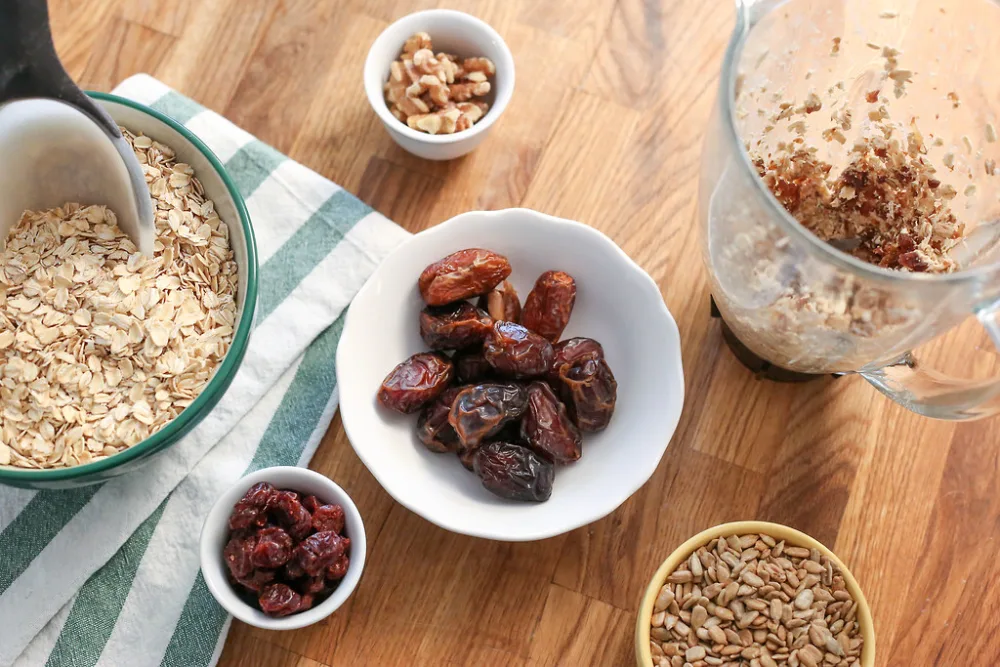
The surest way to control what goes in is to make it yourself — easier than it sounds. Soak 250 g of pitted dates in 500 ml of warm water for a few hours, blend until smooth, strain, and keep refrigerated for up to a week. A soft, sweet variety like Sukari Al-Qassim Grade A produces a caramel-fragrant syrup with no sugar needed at all; Jumbo Palestinian Medjool gives a deeper, richer profile. Do not discard the strained pulp — fold it into oatmeal or cake batter so the fiber still gets used.
Sensible Portions and Everyday Uses
For healthy adults, a common practical benchmark is 3–5 whole dates a day as a snack or natural sweetener — roughly equivalent to 1–2 tablespoons of pure date syrup. More than that is not dangerous for most people, but the calories add up quickly. A few ways the two forms complement each other in the kitchen:
- Date syrup: stirred into warm milk or unsweetened tea, drizzled over bread and pancakes, sweetening oatmeal and smoothies, or whisked into a Middle Eastern-style marinade for grilled chicken.
- Whole dates: eaten as-is, stuffed with nuts or cheese for guests, chopped into salads and granola, or mashed as a sugar substitute in baking.
- The smart combo: make your own syrup from whole dates, then bake with the leftover pulp — nothing wasted, fiber still eaten.
The Bottom Line: Match the Form to the Goal
Whole dates remain the winner for everyday nutrition: intact fiber, easy per-fruit portion control, zero additive risk. Date syrup wins on convenience — for mixed drinks, for children who refuse whole fruit, or as a natural sweetener replacing factory syrup. If you are starting out, our Best Dates in Indonesia guide helps you choose the right whole-fruit variety for your needs; from there, a pure homemade syrup is just one blender cycle away.
FAQ
Are date syrup benefits the same as whole dates?
Partly — natural sugars for energy plus some minerals and antioxidants do carry over. But much of the intact fiber is lost in straining, and instant products may contain added sugar. For daily nutrition, whole dates come first; syrup is a practical companion.
Can people with diabetes drink date syrup?
Extra caution is needed. Syrup sugars are concentrated and easy to over-consume compared with whole fruit, especially if the product contains added sugar. Talk to your doctor first; if allowed, choose a no-added-sugar product with strictly limited portions.
How do I pick a genuinely pure sari kurma?
Read the ingredient list: ideally just dates and water — no sugar, glucose syrup, flavoring, or preservatives. Check for BPOM registration, compare sugar per serving across brands, and be suspicious of prices far below the market.
Can I make date syrup at home?
Yes, easily: soak 250 g of pitted dates in 500 ml of warm water, blend, strain, and refrigerate for up to about a week. A soft variety like Sukari yields a naturally sweet syrup with no added sugar at all.
What should pregnant mothers look for in date syrup?
Choose a pure, no-added-sugar product with BPOM registration, and discuss portions with your doctor or midwife. The well-known tradition of eating dates near delivery generally refers to moderate amounts of whole fruit, not free-pour syrup.